
The Promise That Backfired
When George Osborne announced the National Living Wage in 2015, the promise was simple: lift Britain's lowest-paid workers out of poverty through government mandate. Eight years later, that wage floor has risen from £7.20 to £11.44 per hour — a 59% increase that far outstrips inflation. Yet youth unemployment sits at 11.2%, nearly three times the national average, whilst sectors traditionally offering entry-level positions report widespread automation and reduced hiring.
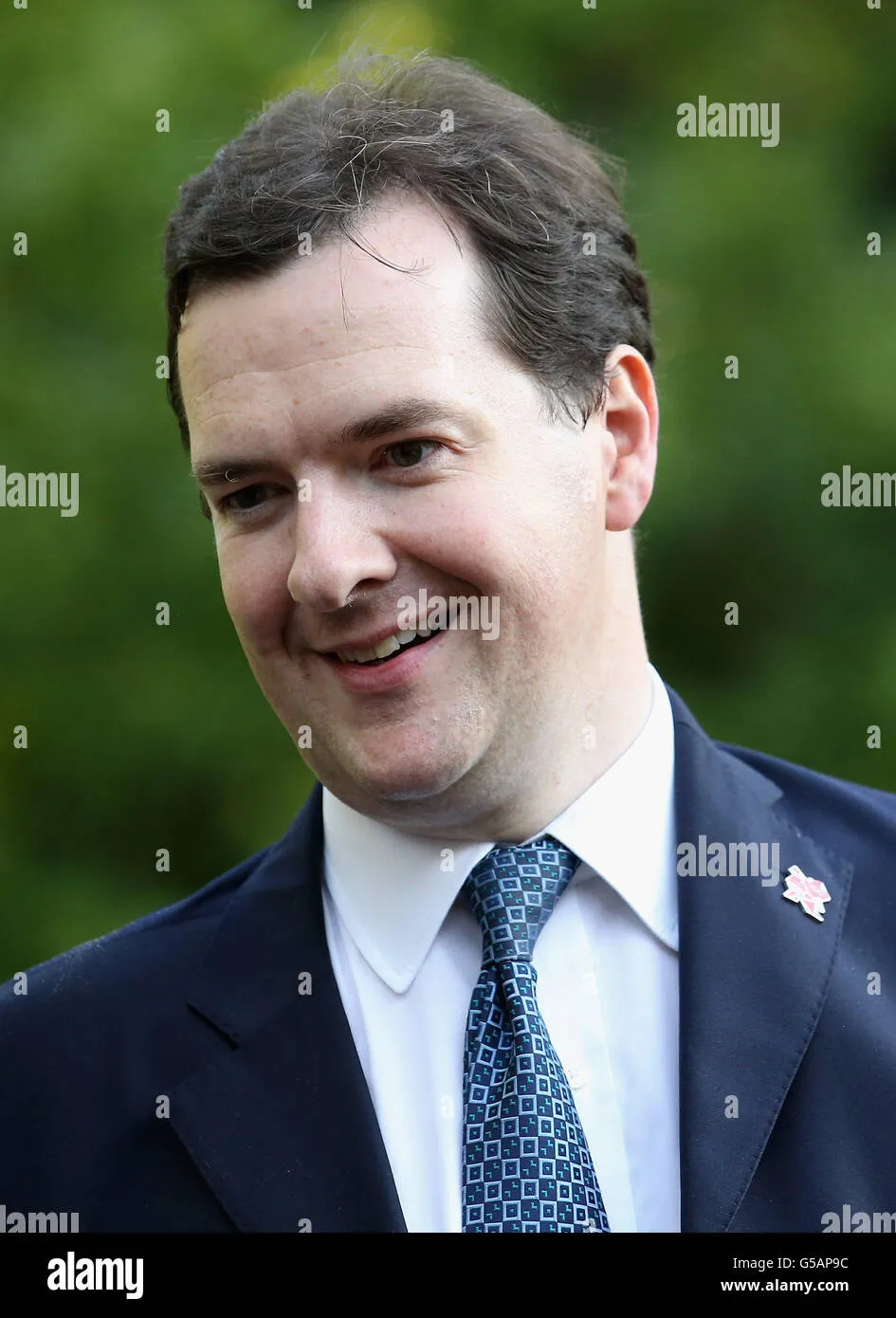 Photo: George Osborne, via c8.alamy.com
The uncomfortable truth politicians refuse to acknowledge is that you cannot legislate prosperity into existence. Every time Westminster raises the minimum wage above market rates, it doesn't create wealth — it destroys opportunities for those who need them most.
The Automation Acceleration
Walk into any McDonald's, Tesco, or Wetherspoons today and the evidence is unmistakable. Self-service checkouts have replaced cashiers. Ordering kiosks have replaced counter staff. Kitchen automation has reduced cooking roles to button-pressing. This isn't technological inevitability — it's economic rationality responding to artificial wage inflation.
ONS data reveals the stark reality: employment in 'elementary occupations' — the traditional first rung on the career ladder — has fallen by 8% since 2016, even as overall employment rose. Meanwhile, business investment in automation technology has surged 34% over the same period. The correlation isn't coincidental; it's causal.
The British Retail Consortium reports that major chains are now calculating the break-even point for replacing human workers at £9-10 per hour. With the National Living Wage pushing past £11, entire job categories are becoming economically unviable. The checkout assistant, the junior waiter, the apprentice mechanic — these roles aren't disappearing because of progress, but because politicians have priced them out of existence.
The Youth Employment Crisis
The hardest hit are those the policy was supposedly designed to help. Youth unemployment in Britain remains persistently higher than European neighbours with more flexible wage systems. Germany, with its robust apprenticeship culture and regional wage variation, maintains youth unemployment at 7.8%. France, despite its economic challenges, sits at 9.1%. Britain's rigid national minimum wage system has created a cliff edge where employers either pay premium rates or don't hire at all.
The Federation of Small Businesses reports that 43% of members have reduced entry-level hiring since 2019, with wage costs cited as the primary factor. These aren't corporate giants seeking to maximise shareholder returns — these are corner shops, local restaurants, and family businesses operating on razor-thin margins. When government mandates add 20-30% to their biggest cost centre, the rational response is to hire fewer people and demand more productivity from those who remain.
The Skills Development Disaster
Perhaps most damaging is the destruction of Britain's informal skills pipeline. Entry-level jobs have always served a dual purpose: providing immediate income whilst building work habits, customer service skills, and professional networks. The teenager stacking shelves at Sainsbury's isn't just earning pocket money — they're learning punctuality, responsibility, and workplace dynamics.
When these positions vanish, so does this crucial development pathway. The result is a generation entering the workforce without basic employment experience, making them even less attractive to employers. It's a vicious cycle: high minimum wages reduce entry-level opportunities, creating workers with less experience, who then struggle to justify premium wages.
The International Evidence
Global data reinforces these concerns. Seattle's aggressive minimum wage increases to $15 per hour reduced low-skilled employment by 9% whilst cutting total hours worked by 6.9%. Australia's high minimum wage correlates with youth unemployment rates consistently above the OECD average. Meanwhile, Switzerland — with no national minimum wage but high productivity — maintains youth unemployment at just 3.2%.
The pattern is consistent: countries that allow wages to reflect productivity and local conditions create more opportunities for workers to enter the labour market and develop skills. Those that impose rigid national floors create barriers that hit the most vulnerable hardest.
The Political Incentive Problem
Why do politicians persist with policies that demonstrably harm those they claim to champion? The answer lies in the visibility of benefits versus costs. Wage increases for existing workers generate immediate headlines and grateful soundbites. Job losses happen quietly, spread across thousands of businesses, affecting people who weren't employed to begin with. The political incentive is to focus on the seen versus the unseen.
Labour's promise to reach £15 per hour by 2030 would represent another 31% increase above current levels. If historical patterns hold, this will accelerate automation further whilst making entry-level employment economically impossible for many businesses. The very workers Labour claims to represent will find themselves priced out of the job market entirely.
A Conservative Alternative
True conservative economic policy recognises that prosperity comes from productivity, not political decree. Rather than mandating wages that exceed economic reality, government should focus on reducing barriers to employment: cutting employer National Insurance, reforming IR35, and streamlining employment law.
Regional variation would allow wages to reflect local conditions — £11.44 goes much further in Blackpool than Belgravia. Youth sub-minimum wages could restore the first rung on the career ladder. Apprenticeship reforms could create pathways from education to employment that don't require premium wages from day one.
The Uncomfortable Truth
The minimum wage represents everything wrong with modern political thinking: the belief that good intentions matter more than economic reality, that government can solve complex problems through simple mandates, and that seen benefits justify unseen costs.
Every job lost to automation, every young person unable to find their first position, every small business forced to reduce staff — these are the hidden casualties of wage policies that prioritise political theatre over economic sense.
The road to unemployment is paved with good intentions — and Britain's minimum wage policy is the express lane.