The role of Commons Speaker has endured for over 650 years as the ultimate symbol of parliamentary impartiality. From the moment they are dragged to the chair — a tradition dating back to when the role carried genuine physical danger — Speakers are expected to transcend party politics and serve the House as a whole. Under Sir Lindsay Hoyle, that sacred principle lies in tatters.
 Photo: Lindsay Hoyle, via editorial01.shutterstock.com
The most egregious example came during February's Gaza ceasefire debate, when Hoyle broke with centuries of precedent by allowing Labour to table an amendment to an SNP opposition day motion. The decision was so extraordinary that it prompted the SNP and Conservative MPs to walk out in protest, leaving Labour talking to themselves in a near-empty chamber. Hoyle later admitted he had been "pressured" by Labour figures who warned of threats to their MPs' safety — a justification that would have been laughable to his predecessors, who faced down far more serious challenges to parliamentary independence.
The Erosion of Impartial Authority
This wasn't an isolated incident but part of a troubling pattern. Since taking the chair in 2019, Hoyle has consistently demonstrated a tin ear for the constitutional requirements of his office. His interventions during Prime Minister's Questions increasingly read like editorial commentary rather than procedural guidance. His decisions on which amendments to select and which urgent questions to grant have shown a clear pattern of favouritism toward Labour benches.
The contrast with his predecessor John Bercow is instructive — and not in Hoyle's favour. Whatever Bercow's faults, and there were many, he at least maintained the fiction of procedural neutrality while pursuing his anti-Brexit agenda. Hoyle has abandoned even that pretence, openly admitting to political considerations in his decision-making process.
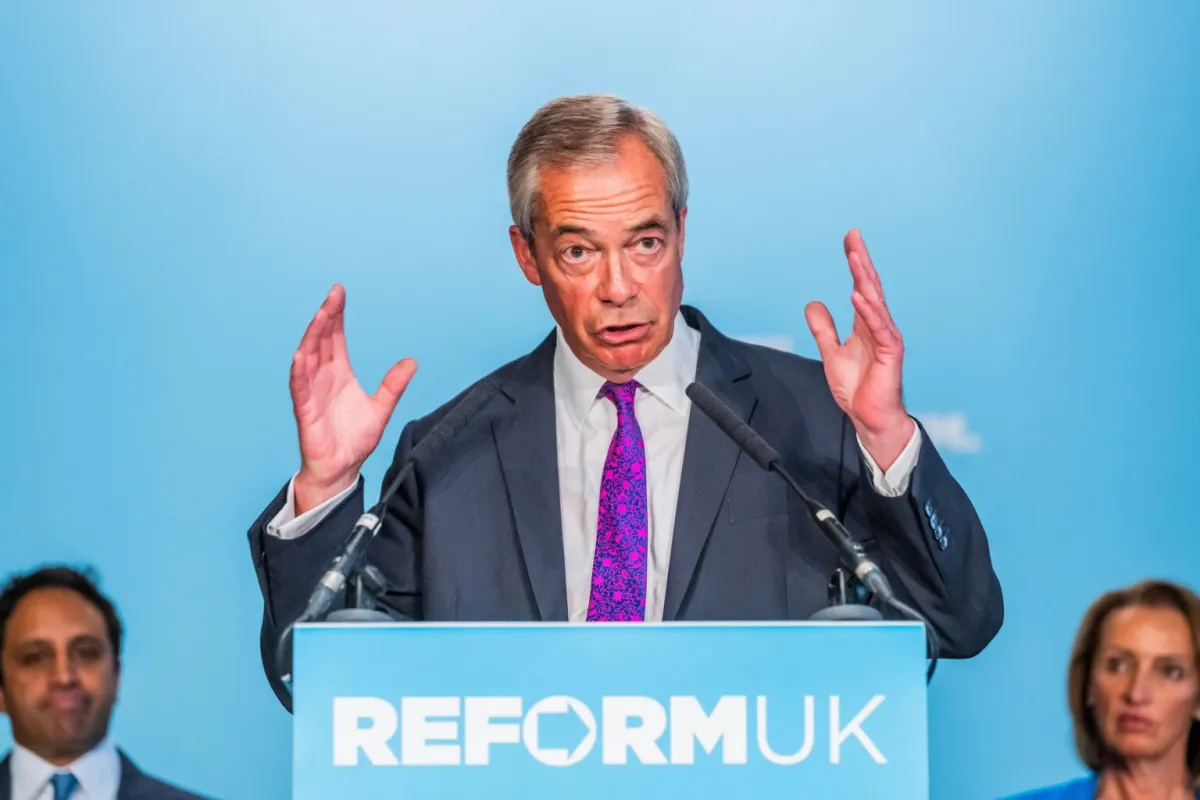 Photo: John Bercow, via www.politics.co.uk
The constitutional implications are profound. The Speaker's authority rests entirely on the perception of impartiality. Once that perception crumbles, the entire edifice of parliamentary procedure becomes suspect. Why should opposition parties respect rulings from a chair they view as compromised? How can the Speaker maintain order when their own conduct invites challenge?
The Institutional Capture Problem
This degradation of the Speakership reflects a broader problem: the systematic capture of supposedly neutral institutions by partisan actors. From the Civil Service to the BBC, from the Electoral Commission to university vice-chancellors, Britain's institutional landscape has become increasingly politicised. The Speaker's office was meant to be different — a final bastion of genuine neutrality in an increasingly tribal system.
The problem isn't just Hoyle personally, though his performance has been lamentable. The issue is structural. The current system for selecting Speakers — a secret ballot among MPs — inevitably produces candidates who have built their careers through party loyalty rather than institutional independence. The successful candidate needs to secure cross-party support, which often means making implicit promises about future conduct that compromise their ability to act impartially once in post.
Critics argue that expecting perfect neutrality from former partisan politicians is unrealistic. This misses the point entirely. The role demands not perfection but a demonstrable commitment to placing institutional integrity above personal or party advantage. Previous Speakers like Betty Boothroyd and Michael Martin, whatever their limitations, understood this fundamental requirement. Hoyle appears not to grasp it at all.
 Photo: Betty Boothroyd, via c8.alamy.com
The Path to Reform
Restoring credibility to the Speakership requires structural reform, not just better personnel. The selection process needs fundamental overhaul. One option would be to require a supermajority — perhaps two-thirds of MPs — for election, forcing candidates to build genuinely cross-party coalitions. Another would be to establish a cooling-off period, preventing recently active politicians from seeking the chair.
More radically, Parliament could look to other Westminster systems for inspiration. The Australian House of Representatives elects its Speaker from among government MPs but expects them to resign from their party. The New Zealand Parliament has experimented with electing Speakers from among MPs who don't seek re-election, removing future political incentives.
The current system also lacks meaningful accountability mechanisms. Once elected, Speakers serve until retirement or defeat, with no formal process for removal short of a vote of no confidence that would trigger a constitutional crisis. Establishing clearer performance standards and review processes could help maintain institutional standards without compromising day-to-day independence.
Constitutional Consequences
The stakes extend far beyond parliamentary procedure. The Speakership crisis reflects Britain's broader institutional decay — the slow-motion collapse of the informal conventions and mutual restraints that have traditionally made the British system work. When those conventions break down, formal rules become inadequate substitutes.
This matters because parliamentary democracy depends on shared acceptance of legitimate authority. If the Speaker's rulings are seen as partisan interventions rather than neutral arbitration, the entire system of parliamentary government becomes harder to sustain. Opposition parties lose incentive to respect procedures they view as rigged. Government backbenchers become emboldened to challenge institutional constraints they see as selectively applied.
The international implications are equally serious. Britain's parliamentary system has been exported around the world, often with the Speaker's role as a crucial component. When the mother of parliaments cannot maintain basic standards of institutional neutrality, it undermines the credibility of Westminster-style democracy everywhere.
Restoring Constitutional Order
The solution requires more than cosmetic changes. Parliament needs to acknowledge that the informal conventions that once governed the Speakership are no longer sufficient. Formal rules, clear accountability mechanisms, and structural reforms to the selection process are essential.
Most importantly, MPs need to rediscover the concept of institutional loyalty — the idea that some roles transcend party politics and require genuine sacrifice of partisan advantage. Until that happens, the Speaker's chair will remain what Lindsay Hoyle has made it: just another political prize rather than the constitutional office it was meant to be.
The Commons Speaker should embody parliamentary sovereignty, not party advantage — and it's time to make that principle enforceable rather than merely aspirational.