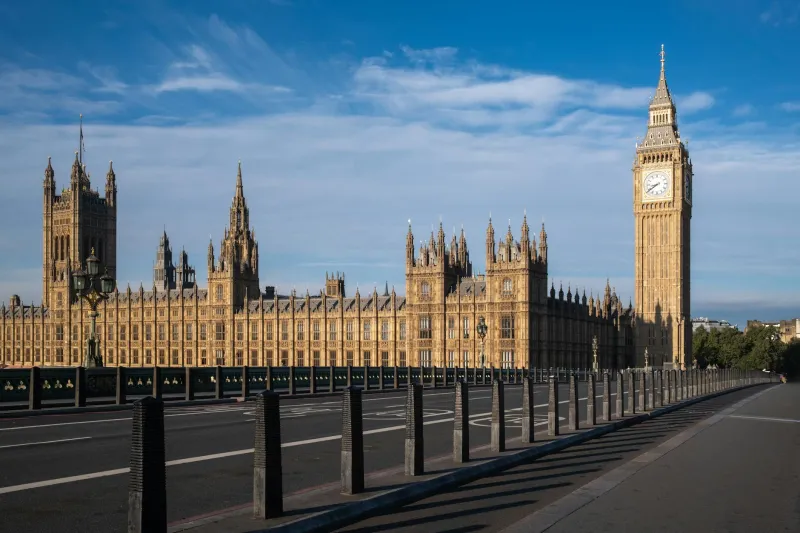
Every Labour budget follows the same playbook. New spending programmes are introduced as urgent responses to pressing crises, temporary measures to address immediate needs, or modest expansions of existing services. Within a single parliamentary term, these 'emergency' interventions become embedded in departmental baselines, defended by newly created bureaucracies, and politically impossible to reverse. By the time Conservatives regain power, yesterday's radical expansion has become today's status quo.
This is the institutional ratchet effect in action, and it represents the greatest strategic failure of modern British conservatism. Not losing elections — that's cyclical. Not even failing to implement conservative policies whilst in office — that's tactical. The real failure is accepting Labour's framing that the state's expansion is irreversible, and governing accordingly.
The Historical Pattern
The post-war Attlee government didn't just nationalise industries and create the NHS — it established the principle that state intervention was the default solution to social and economic problems. When Churchill returned to Downing Street in 1951, he could have reversed these changes. Instead, he accepted the new settlement and governed within its constraints.
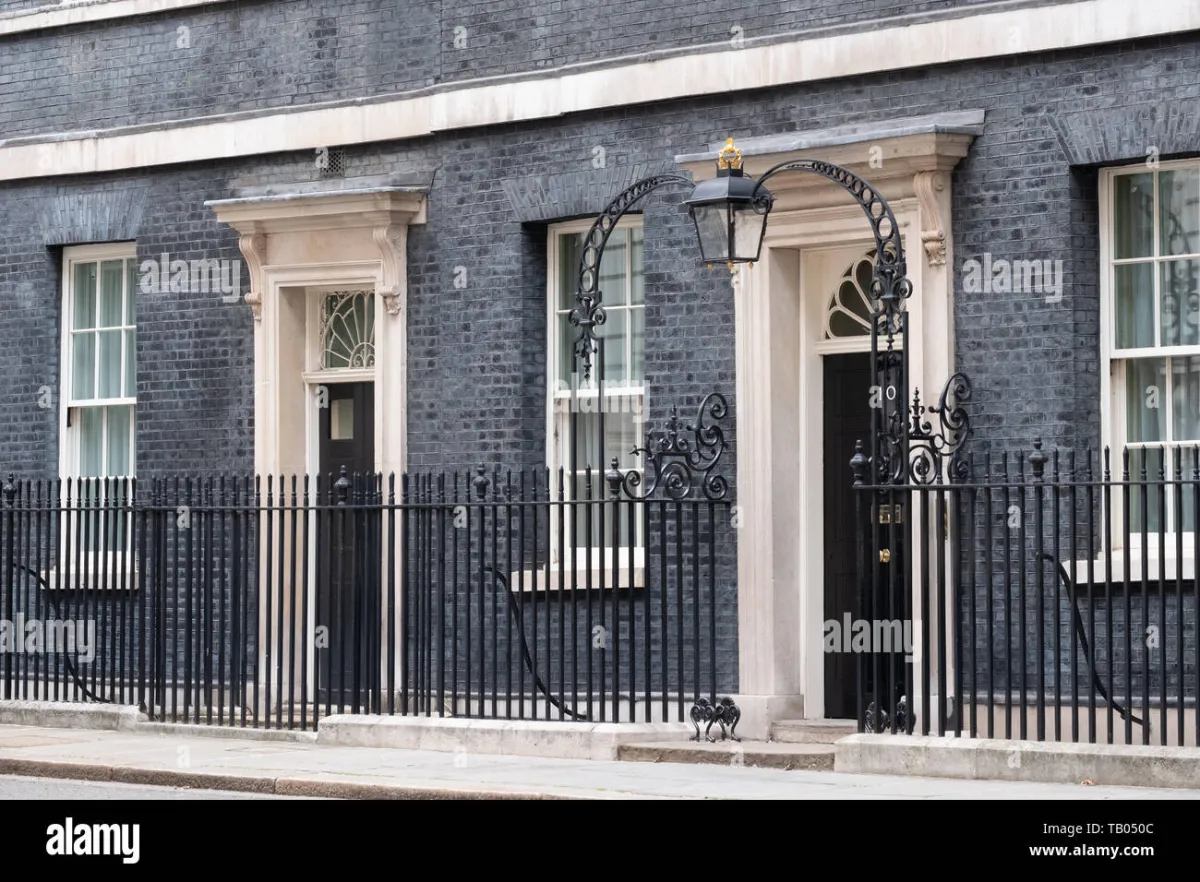 Photo: Downing Street, via c8.alamy.com
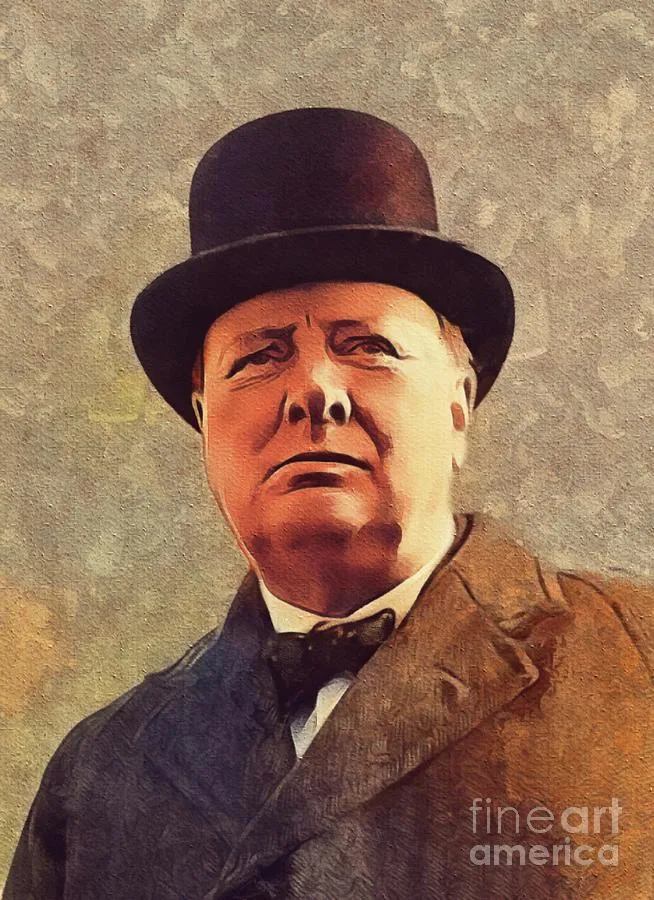 Photo: Churchill, via images.fineartamerica.com
The Blair-Brown years perfected this technique. Tax credits weren't presented as a fundamental restructuring of the welfare system but as 'making work pay'. Sure Start wasn't sold as state intervention in family life but as 'giving every child the best start'. The minimum wage wasn't framed as price controls on labour but as 'basic fairness for working people'.
Each programme created its own constituency of beneficiaries, its own administrative apparatus, and its own political logic. When Cameron and Osborne took office in 2010, they found themselves managing Labour's expanded state rather than dismantling it. Austerity became about doing more with less, not doing less altogether.
Starmer's Subtle Expansion
Keir Starmer's first budget as Prime Minister followed this established pattern with mathematical precision. GB Energy wasn't presented as state ownership of energy production but as 'British energy independence'. The National Wealth Fund wasn't sold as industrial policy but as 'backing British businesses'. New planning powers for local authorities weren't framed as centralising control but as 'getting Britain building'.
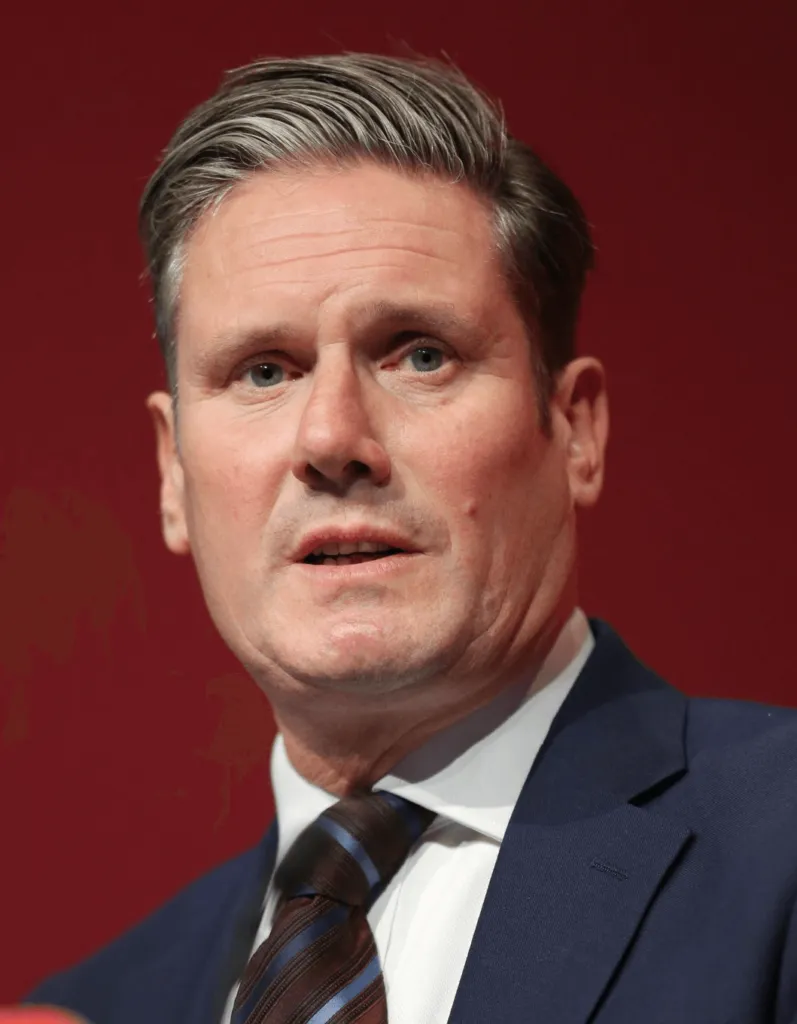 Photo: Keir Starmer, via www.museumofpm.org
The fiscal numbers tell the story. Public spending as a percentage of GDP, which fell from 45.3% in 2010 to 39.0% by 2019 under Conservative governments, is projected to rise to 44.6% by 2029 under Labour's plans. But these aren't dramatic nationalisations or revolutionary programmes — they're incremental expansions presented as pragmatic responses to specific challenges.
Why Conservatives Keep Losing the Long Game
The fundamental problem is that British conservatism has abandoned any coherent theory of what the state should and shouldn't do. Without clear principles about the proper scope of government, Conservative politicians find themselves arguing about the efficiency of state programmes rather than their legitimacy.
This creates an asymmetric political dynamic. Labour politicians can propose new state interventions by appealing to immediate problems and moral imperatives. Conservative politicians can only respond with technocratic objections about cost and implementation. The former is politically compelling; the latter is managerial.
Consider the current debate over industrial strategy. Labour frames state investment in green technology as essential for national competitiveness and climate goals. Conservatives respond with concerns about picking winners and market distortions. Both arguments may be valid, but only one connects with voters' desire for national success and moral purpose.
The Intellectual Vacuum
This reflects a deeper intellectual crisis on the right. Modern British conservatism has become allergic to big ideas about the role of government, preferring instead to position itself as more competent managers of the status quo. But competent management isn't a governing philosophy — it's an administrative function.
The result is that Conservative governments spend their time optimising systems created by their Labour predecessors rather than replacing them with conservative alternatives. They reform public services rather than questioning whether the state should provide them. They restructure welfare rather than reconsidering its scope. They tinker with tax rates rather than fundamentally rethinking the relationship between citizen and state.
Breaking the Ratchet
Breaking this pattern requires more than electoral success — it demands intellectual courage. Conservative politicians need to articulate not just what government does badly, but what it shouldn't do at all. They need to explain not just why state spending is inefficient, but why excessive state power is incompatible with human flourishing.
This means challenging popular programmes, not just unpopular ones. It means questioning the principle behind policies, not just their implementation. It means accepting short-term political costs for long-term constitutional gains.
The alternative is permanent defeat disguised as temporary setbacks. Every Labour government will expand the state's reach, and every Conservative government will consolidate those gains whilst promising to manage them better. The ratchet will continue clicking leftward, and British conservatism will become an increasingly marginal force for administrative efficiency rather than limited government.
The choice facing the Conservative Party isn't whether to oppose Labour's next budget — it's whether to develop a governing philosophy capable of reversing Labour's last one.