Britain Signed Up to the European Convention on Human Rights in 1951 — The World It Was Written For No Longer Exists

The Document That Outgrew Its Purpose
In 1951, Britain helped draft and signed the European Convention on Human Rights with a clear purpose: to prevent another Holocaust. The document emerged from the ashes of World War Two as a bulwark against totalitarian regimes that had systematically murdered millions of their own citizens. Its framers, including British lawyers like Sir David Maxwell Fyfe, envisioned a narrow charter protecting fundamental rights — the right to life, freedom from torture, protection from arbitrary detention.
Seventy-three years later, the Strasbourg Court that interprets this convention has transformed it into something its creators would barely recognise. What began as a shield against genocidal tyranny has become a sword wielded against democratically elected governments trying to implement the policies their voters demanded.
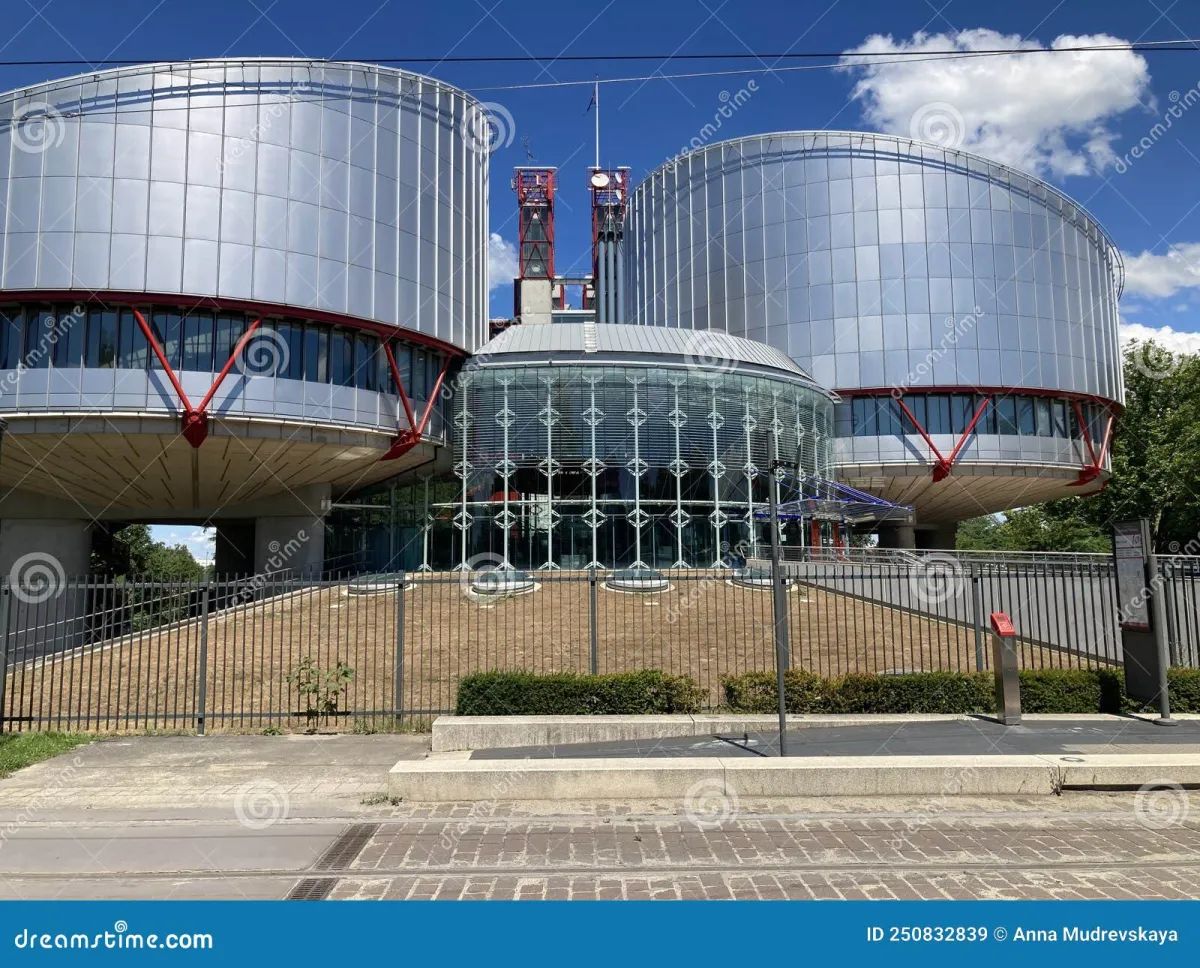 Photo: Strasbourg Court, via thumbs.dreamstime.com
The Mission Creep Problem
The European Court of Human Rights has systematically expanded its jurisdiction far beyond its original remit through what legal scholars call 'evolutive interpretation' — the doctrine that human rights law must evolve with changing social conditions. In practice, this has meant judges in Strasbourg claiming authority over areas of domestic policy that were never intended to fall under international human rights law.
Consider the court's intervention in British deportation policy. The original convention said nothing about immigration or asylum — these weren't seen as human rights issues in 1951. Yet through creative interpretation of Article 8 (respect for private and family life), Strasbourg has made it virtually impossible for Britain to deport foreign criminals who claim family ties to the UK.
The Strasbourg Court has ruled that deporting a Jamaican crack dealer violated his human rights because he had a girlfriend in Britain. It blocked the removal of an Iraqi who had been convicted of raping a 12-year-old girl. In each case, judges thousands of miles from the communities affected by these crimes decided that the rights of foreign offenders trumped public safety and democratic sovereignty.
Beyond Immigration: The Expanding Reach
The court's overreach extends far beyond deportation cases. Strasbourg has claimed jurisdiction over:
- Prisoner voting rights, overturning centuries of British constitutional practice
- Assisted suicide, attempting to force Parliament to legalise euthanasia
- Surveillance policy, constraining intelligence agencies' ability to protect national security
- Employment law, dictating terms and conditions for public sector workers
- Environmental policy, ruling that climate change violates human rights
Each intervention represents a transfer of power from elected British MPs to unelected foreign judges. Each decision reduces the scope for democratic debate and parliamentary sovereignty.
The Democratic Deficit
Defenders of the ECHR argue that human rights require protection from democratic majorities — that some principles are too important to be subject to electoral politics. This argument has superficial appeal but rests on a fundamental misunderstanding of how democracy works.
Democratic governments derive their legitimacy from popular consent. When courts override democratic decisions, they don't protect democracy — they undermine it. The Strasbourg Court's judges are not accountable to any electorate. They serve nine-year terms and cannot be removed by any democratic process. Their interpretation of human rights law becomes binding on 47 countries with radically different legal traditions, political cultures, and social values.
This creates an obvious problem: whose vision of human rights should prevail? The conservative voters of Alabama or the liberal academics of Amsterdam? The Polish government elected on a platform of traditional values or the progressive activists of Berlin? The ECHR system assumes these questions have universal answers — an assumption that democratic politics exists to challenge.
The Case for Democratic Human Rights
None of this means Britain should abandon human rights protection. The Conservative case for leaving the ECHR isn't about weakening rights — it's about strengthening democratic accountability for how those rights are defined and applied.
A British Bill of Rights, enacted by Parliament and interpreted by British courts, would provide stronger protection for fundamental liberties than the current system. It would be rooted in British legal traditions, accountable to British voters, and responsive to British values. Most importantly, it would be amendable by democratic process if circumstances changed or public opinion shifted.
The United States provides a model here. The American Bill of Rights has protected fundamental freedoms for over two centuries without requiring submission to foreign courts. American judges interpret American constitutional principles in light of American legal traditions and democratic values. The result is a system that balances rights protection with democratic accountability.
 Photo: United States, via us-canad.com
The Sovereignty Question
The strongest argument for ECHR membership is that it provides external constraint on government power — that politicians cannot be trusted to protect rights without international oversight. This argument fundamentally misunderstands the nature of constitutional democracy.
British democracy includes multiple safeguards against authoritarian overreach: an independent judiciary, a free press, regular elections, parliamentary scrutiny, and a robust civil society. These institutions have protected British liberties for centuries without requiring foreign supervision. The suggestion that British democracy is so fragile that it requires Strasbourg's protection is both historically ignorant and politically insulting.
The Practical Problems
Beyond questions of principle, the ECHR system creates practical problems that undermine effective governance. The threat of Strasbourg intervention encourages risk-averse decision-making across government. Civil servants draft policies with one eye on potential human rights challenges rather than democratic mandates. Ministers hesitate to implement manifesto commitments for fear of judicial review.
The Rwanda deportation scheme illustrates this dysfunction perfectly. Whether or not one supports the policy, the spectacle of British courts deferring to European judges who defer to international lawyers represents a complete breakdown of democratic accountability. Voters elect governments to implement policies; those policies should succeed or fail based on democratic judgment, not judicial veto.
The International Dimension
Critics argue that leaving the ECHR would damage Britain's international reputation and relationships. This concern is overblown. Many democratic countries — including the United States, Canada, Australia, and Japan — are not ECHR members yet maintain excellent human rights records and strong international relationships.
Moreover, the current system is increasingly dysfunctional. The ECHR now includes countries like Russia and Turkey whose commitment to human rights is questionable at best. Remaining within a system that treats Britain's democracy as equivalent to Putin's authoritarianism serves nobody's interests.
A Better Way Forward
Britain should withdraw from the ECHR and enact a comprehensive Bill of Rights that protects fundamental freedoms while preserving democratic sovereignty. This new charter should include:
- Core civil liberties: freedom of speech, assembly, religion, and the press
- Due process protections: the right to fair trial, protection from arbitrary detention
- Property rights: protection from expropriation without compensation
- Democratic accountability: all rights interpretations subject to parliamentary override
Such a system would provide stronger protection for genuine human rights while ending the judicial imperialism that has characterised Strasbourg's approach. It would restore the balance between rights and democracy that the ECHR system has destroyed.
The Choice Before Us
The choice is not between human rights and democratic sovereignty — it's between accountable rights protection and unaccountable judicial activism. Britain can protect fundamental liberties without surrendering democratic control to foreign courts. Indeed, it can protect them better.
The world of 1951 — when democratic governments could commit genocide and international oversight seemed necessary — no longer exists. Britain's democracy is mature, robust, and perfectly capable of protecting rights without external supervision. It's time our constitutional arrangements reflected that reality.