The Lobbying Loophole: How Former Ministers Walk Straight Through the Revolving Door — and Why the Rules Are Designed to Let Them

The Committee That Never Says No
When George Osborne left the Treasury in 2016, he didn't waste much time before cashing in. Within months, the former Chancellor had secured a £650,000-a-year role at BlackRock, the world's largest asset manager — a company that had benefited enormously from the quantitative easing policies Osborne had overseen. The Advisory Committee on Business Appointments (ACOBA) duly rubber-stamped the appointment with a perfunctory two-year restriction on lobbying his former department. Problem solved, apparently.
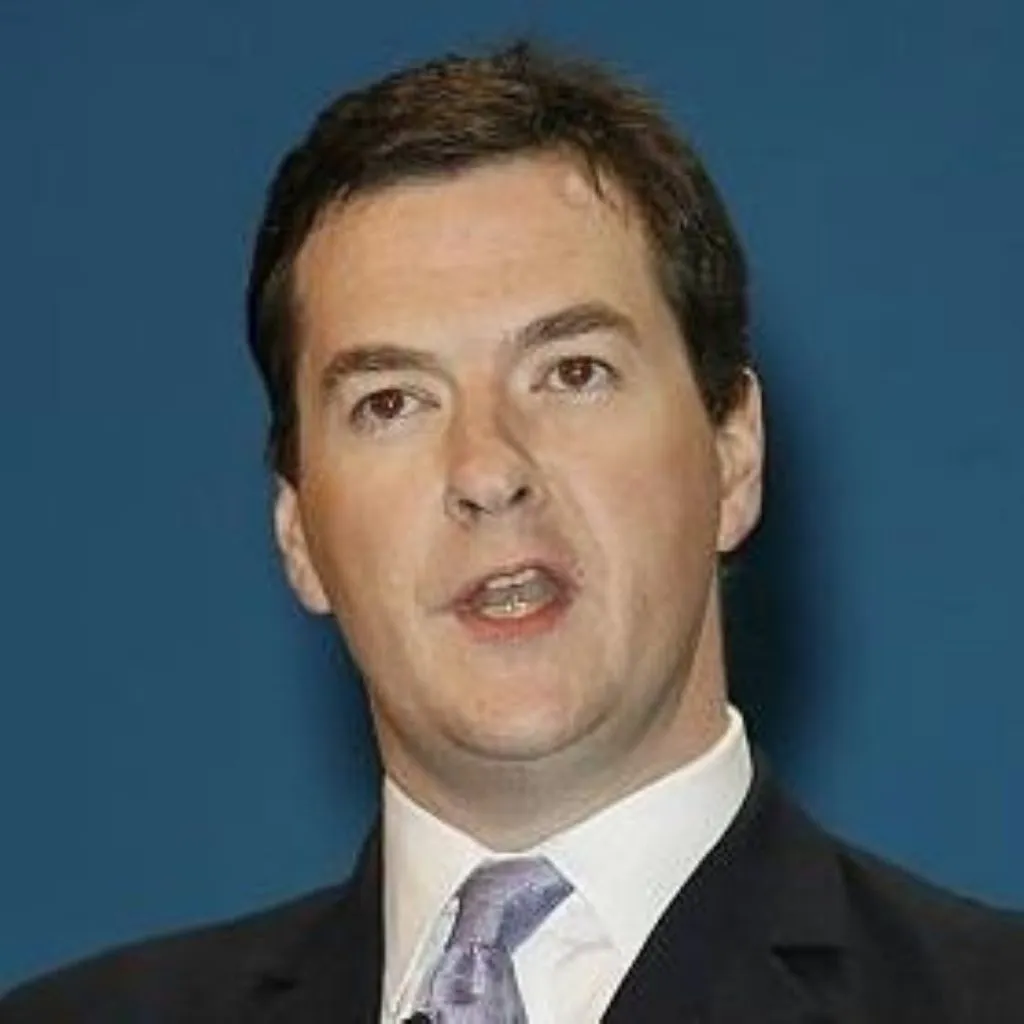 Photo: George Osborne, via www.politics.co.uk
Except it wasn't. Osborne's case is merely the most high-profile example of a revolving door system that operates with all the rigour of a village fête tombola. ACOBA, the supposedly independent watchdog tasked with preventing conflicts of interest when ministers leave office, has become little more than a bureaucratic fig leaf covering what amounts to institutionalised corruption.
A Watchdog With No Teeth
The numbers tell their own story. Since 2010, ACOBA has considered over 4,000 applications from former ministers, special advisers, and senior civil servants seeking private sector roles. Of these, fewer than 50 have been rejected outright — a rejection rate of barely 1%. The committee's standard response is to impose what it calls 'conditions' — typically a restriction on lobbying former colleagues for between one and two years.
But these conditions are meaningless. ACOBA has no enforcement powers, no ability to investigate breaches, and no sanctions beyond the threat of a stern letter. When former Defence Secretary Liam Fox was found to have potentially breached his ACOBA conditions by lobbying for a defence contractor, nothing happened. The committee issued a mild rebuke and moved on.
The fundamental problem is structural. ACOBA operates on the assumption that conflicts of interest can be managed through cooling-off periods and disclosure requirements. This misses the point entirely. The real corruption isn't the ex-minister picking up the phone to their former department — it's the knowledge, relationships, and insights they're selling to the highest bidder.
The Intellectual Capture Problem
Consider the case of former Business Secretary Vince Cable, who joined a merchant bank advising on infrastructure deals shortly after leaving office. Cable spent years in government shaping policy on infrastructure investment, developing relationships with key players, and gaining intimate knowledge of upcoming projects and regulatory changes. That information doesn't become worthless after a two-year cooling-off period — if anything, it becomes more valuable as markets adjust to new realities.
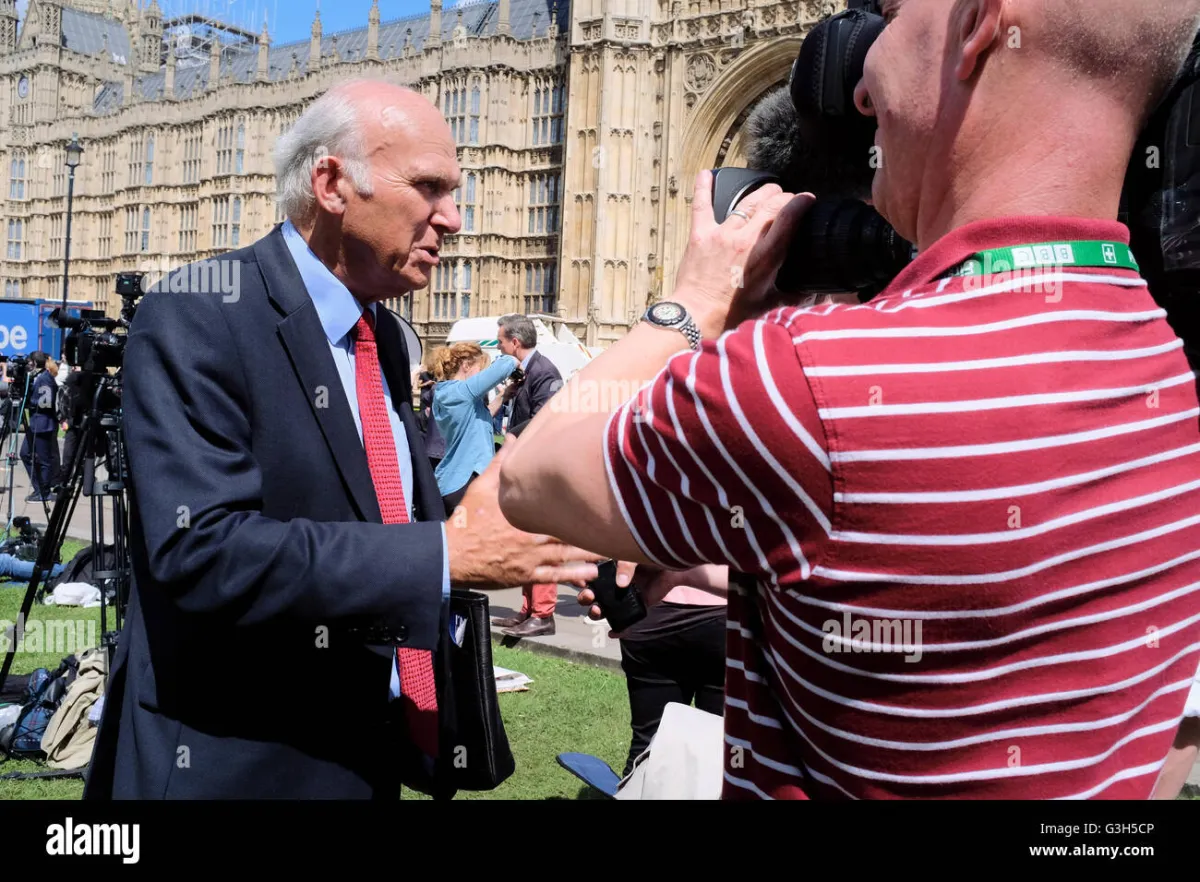 Photo: Vince Cable, via c8.alamy.com
The same pattern repeats across Whitehall. Former Health Secretary Jeremy Hunt joined a health technology company. Ex-Transport Secretary Chris Grayling became a strategic adviser to a port operator. Former Chancellor Sajid Javid returned to banking. In each case, ACOBA waved the appointments through with minimal scrutiny.
Defenders of the system argue that ministers need to earn a living after politics, and that the private sector benefits from their expertise. This misses the conservative case for genuine accountability. The problem isn't that ex-ministers take private sector jobs — it's that the current system creates perverse incentives while ministers are still in office.
The Regulatory Capture Incentive
When ministers know that lucrative opportunities await in the industries they regulate, it inevitably influences their decision-making while in government. Why take a hard line on banking regulation when you might want a job at Goldman Sachs in two years? Why crack down on Big Tech when Silicon Valley consulting beckons?
This isn't about individual corruption — it's about systemic incentives that undermine democratic governance. Ministers are supposed to serve the public interest, not position themselves for post-office paydays. The current system makes that impossible.
What Real Reform Would Look Like
Other countries take this problem more seriously. In France, former ministers face a three-year cooling-off period for any role related to their former responsibilities, enforced by criminal sanctions. In Canada, senior officials are banned for life from lobbying their former departments.
Britain could go further. A genuine reform package would include:
- Extending cooling-off periods to five years for any role in a regulated industry
- Creating criminal offences for breaching post-office employment restrictions
- Requiring former ministers to disclose all private sector income for ten years after leaving office
- Banning ministers from taking any paid role with companies they dealt with while in government
The Bipartisan Conspiracy
But such reforms will never happen, because both major parties benefit from the current arrangements. Labour ministers cash in just as enthusiastically as Conservatives — look at Tony Blair's post-office fortune or Peter Mandelson's corporate advisory roles. The revolving door isn't a bug in the system — it's a feature that both sides have conspired to preserve.
The result is a political class that serves its own interests rather than the public's. ACOBA provides the veneer of oversight while ensuring that nothing fundamentally changes. It's regulatory theatre at its most cynical.
The Democratic Deficit
This matters because it undermines the basic principle of democratic accountability. Voters elect ministers to serve their interests, not to position themselves for lucrative post-office careers. When the system incentivises the latter, democracy itself is corrupted.
The solution isn't more committees or better guidelines — it's recognising that some conflicts of interest are simply irreconcilable with public service. Ministers who want to cash in on their government experience should be free to do so, but not while pretending that paper-thin restrictions protect the public interest.
ACOBA isn't failing to do its job — it's doing exactly what it was designed to do: provide political cover for a system that works perfectly well for everyone except the taxpayers who fund it.