Forecasting Failures and Unaccountable Power: Why the OBR Should Not Be Running Britain's Finances
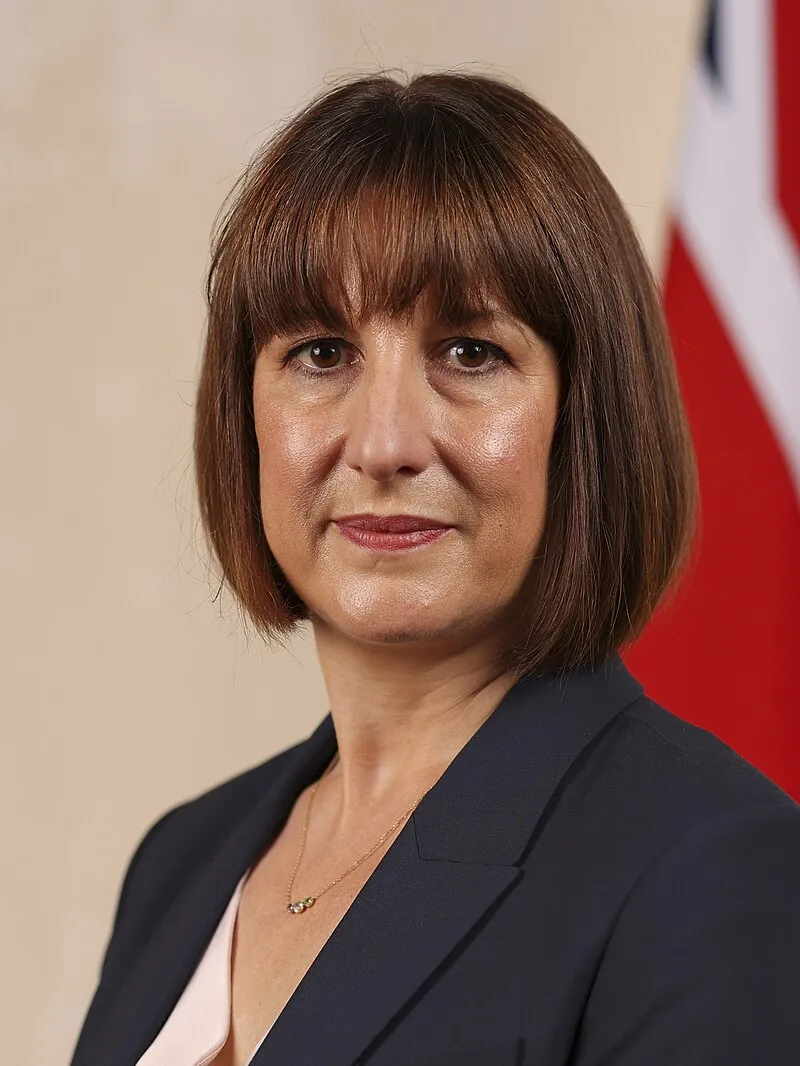
Photo of Rachel Reeves, via Wikimedia Commons
Forecasting Failures and Unaccountable Power: Why the OBR Should Not Be Running Britain's Finances
When George Osborne created the Office for Budget Responsibility in 2010, the stated rationale was straightforward: independent fiscal oversight would prevent chancellors from cooking the books, restore credibility to public finances after the Brown years, and give markets and citizens alike a reliable, politically neutral picture of where the nation's money was going. Transparency, accountability, credibility — the holy trinity of post-crisis economic governance.
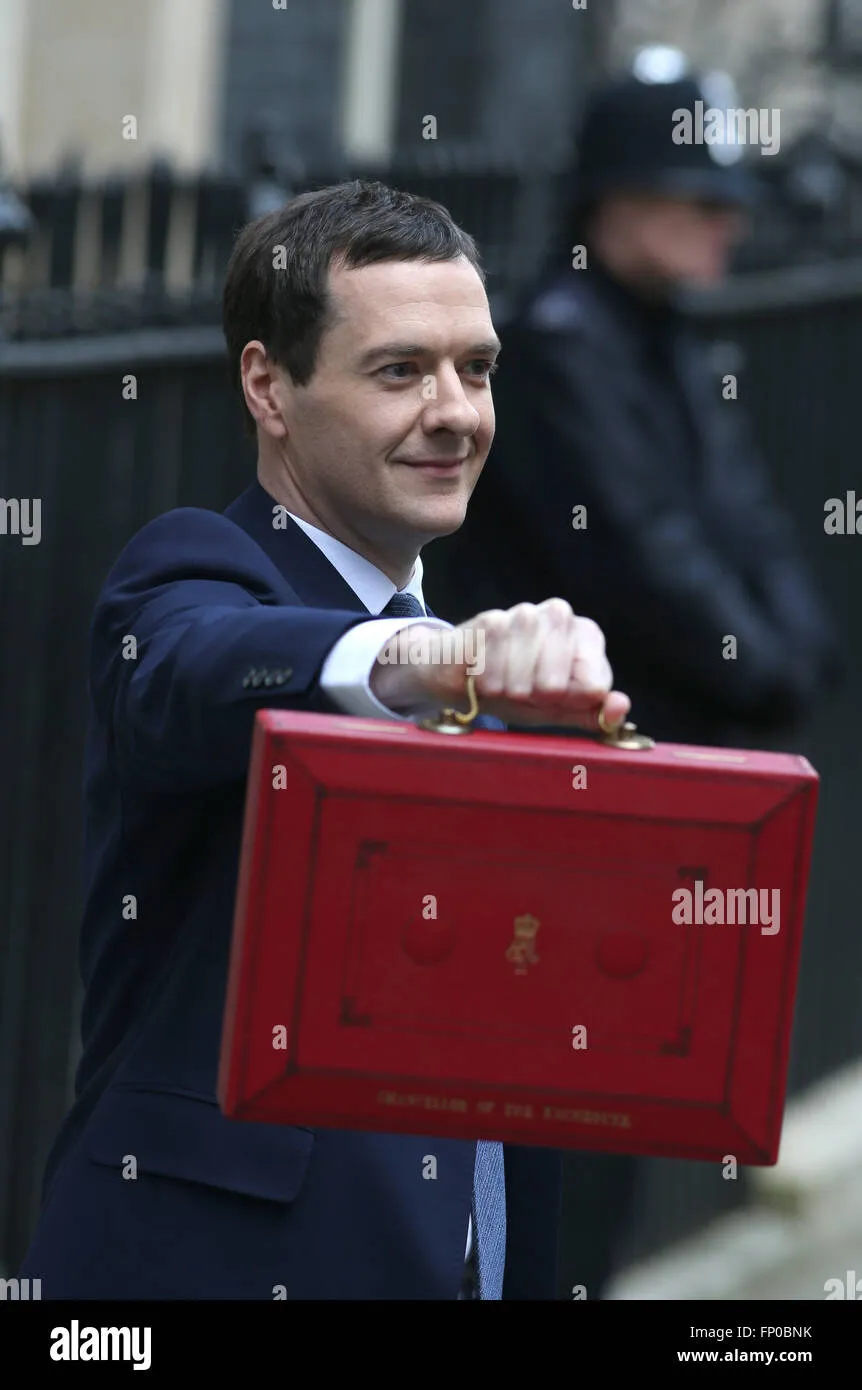 Photo: George Osborne, via c8.alamy.com
Fifteen years on, it is worth asking what the country actually got. The OBR has indeed become authoritative — authoritative to a degree that its founders probably did not intend and that democratic theory cannot comfortably accommodate. Its forecasts are treated not as modelled projections with confidence intervals and known limitations, but as constitutional facts against which budgets are measured and chancellors are judged. And yet the OBR is answerable to nobody in any meaningful sense when those forecasts prove — as they repeatedly have — to be spectacularly wrong.
A Track Record That Demands Scrutiny
The OBR's defenders will argue that forecasting macroeconomic outcomes is inherently uncertain, and that no institution — public or private — predicted the 2008 financial crisis, the pandemic, or the post-Covid inflationary surge with precision. This is true, and it would be unfair to hold the OBR to a standard of omniscience.
But the pattern of OBR errors is not random. It has consistently underestimated the resilience of tax receipts in some periods and overestimated the pace of deficit reduction in others. Its pre-pandemic forecasts for productivity growth — the central variable underpinning its long-run debt projections — were persistently over-optimistic, a point acknowledged in the OBR's own retrospective analyses. The Resolution Foundation and the Institute for Fiscal Studies have both noted that OBR forecasts for borrowing have tended to err on the pessimistic side in the short run and the optimistic side over the medium term.
More consequentially, the OBR's October 2022 emergency assessment — produced in the wake of the Kwasi Kwarteng mini-Budget — contributed directly to the political firestorm that ended the Truss government. The OBR was not wrong to flag fiscal risks. But the speed and severity of the market reaction was amplified by the fact that the absence of an OBR forecast at the time of the fiscal statement had itself become a political story. An institution that was supposed to provide calm, technical analysis had become a political actor whose presence or absence could move gilt markets. That is a remarkable and troubling degree of institutional power for a body that no one elected.
The Chancellor's Convenient Shield
The deeper problem is not the OBR's forecasting record per se — it is the way in which chancellors of both parties have learned to use OBR projections as political cover for avoiding difficult choices.
The logic runs as follows: if the OBR says a particular tax cut will cost £X billion over the forecast period, then the chancellor is politically obliged to find an offsetting measure of equivalent size, regardless of the dynamic effects of the cut, regardless of uncertainty bands, and regardless of whether the OBR's model captures the relevant behavioural responses. The fiscal rules — themselves defined in terms of OBR-forecast metrics — become a straitjacket that forecloses options before parliamentary debate has even begun.
Rachel Reeves has been particularly adept at deploying this mechanism. The decision to raise employer National Insurance contributions in the October 2024 Budget was justified in part by reference to OBR assessments of the fiscal position inherited from the Conservatives. The OBR's framing of a supposed £22 billion black hole in the public finances — a figure that was contested by Treasury officials and former Conservative ministers at the time — provided the political foundation for the largest tax-raising Budget in a generation. Whether or not the underlying fiscal position justified that response is a legitimate political debate. What is not legitimate is for that debate to be foreclosed by deference to an unelected body's contested arithmetic.
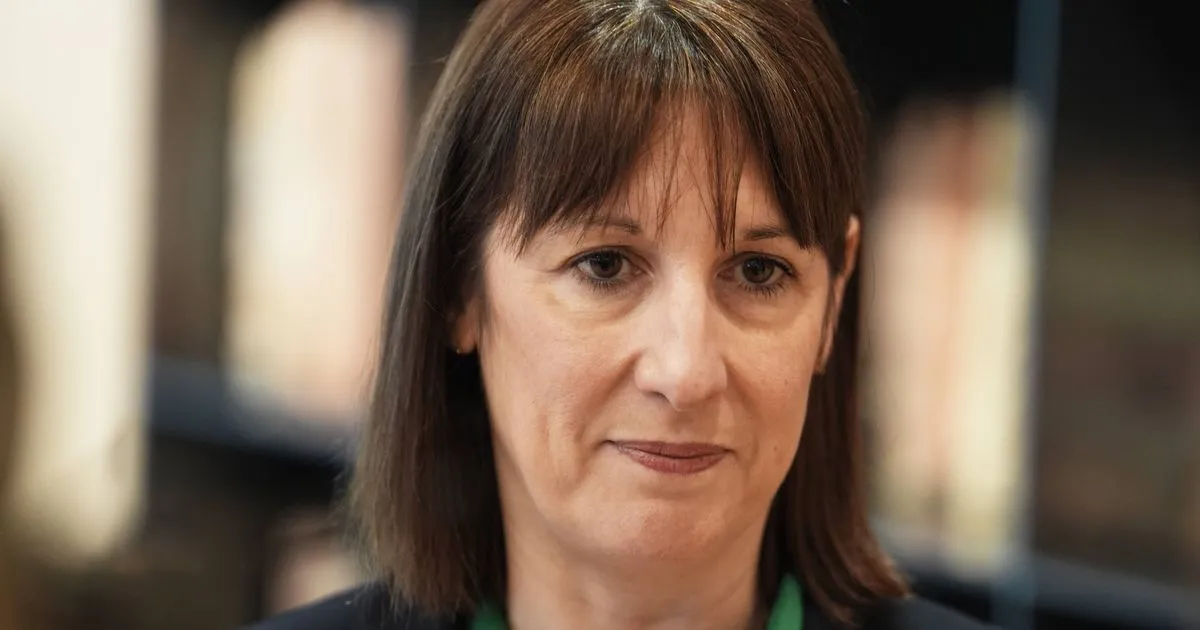 Photo: Rachel Reeves, via i2-prod.mirror.co.uk
The Democratic Accountability Deficit
The strongest argument in the OBR's favour is the one its supporters make most often: that without independent fiscal oversight, chancellors will simply lie. Gordon Brown's golden rule was manipulated by adjusting the definition of the economic cycle. Norman Lamont's pre-election forecasts in 1992 bore little resemblance to the fiscal reality that emerged afterwards. Politicians, left to their own devices, will game the numbers.
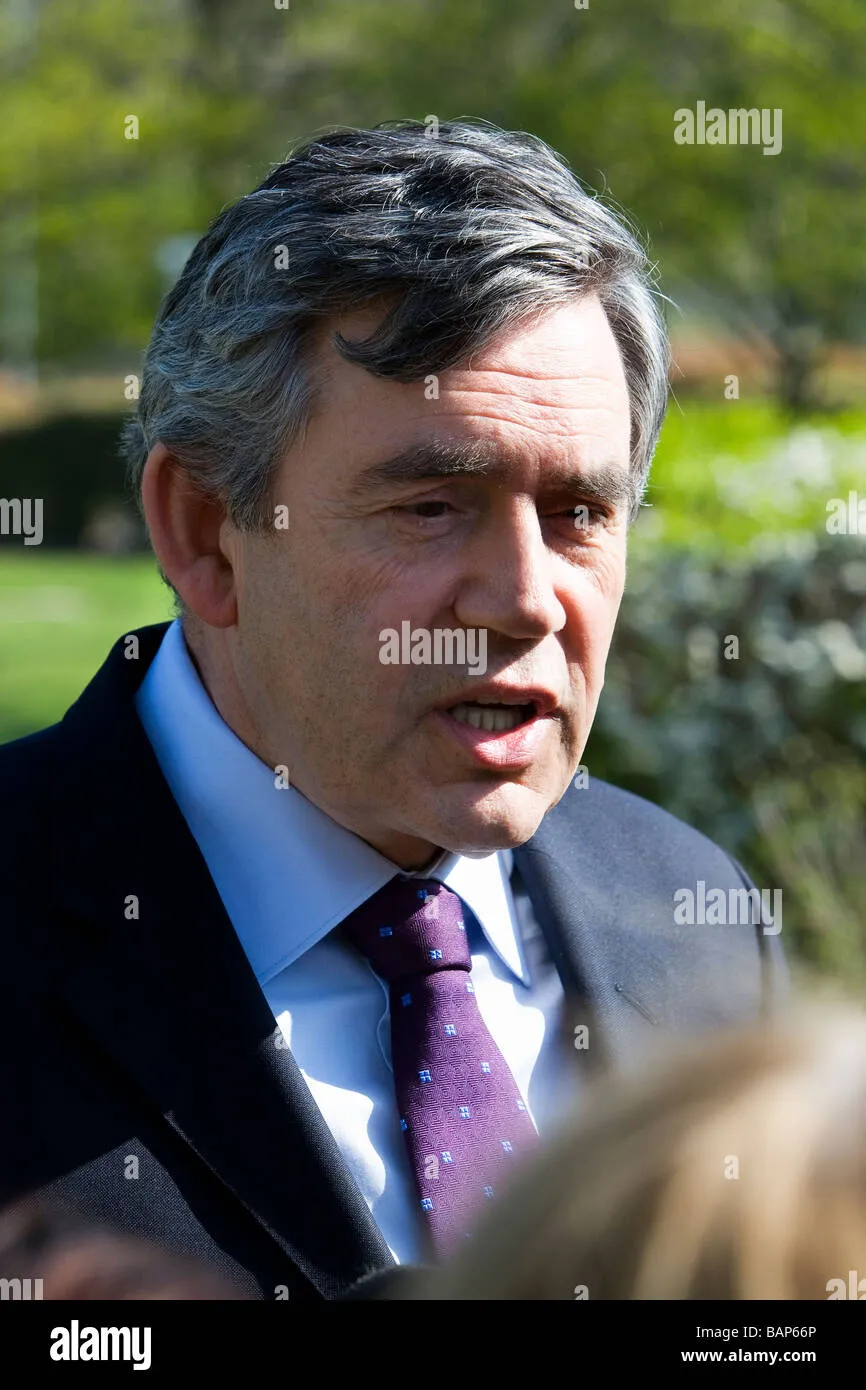 Photo: Gordon Brown, via c8.alamy.com
This is a serious argument, and it deserves a serious response rather than dismissal. The pre-OBR era was not a golden age of fiscal honesty. Independent scrutiny of government borrowing projections serves a genuine public interest.
But there is a fundamental difference between an institution that scrutinises and publishes, and an institution whose pronouncements carry effective veto power over elected policy decisions. The OBR has drifted toward the latter role — not through any deliberate power grab, but through the accumulated deference of successive governments and a media culture that treats its forecasts as ground truth.
The solution is not to abolish the OBR. It is to reframe its constitutional position explicitly. OBR forecasts should be published alongside the Budget as one analytical perspective among several — including Treasury modelling and, where relevant, independent academic assessments. The fiscal rules against which budgets are judged should be set and owned by Parliament, not derived mechanically from a single institution's projections. And when OBR forecasts prove materially wrong — as they regularly do — there should be a formal, public accountability process, not a quiet revision buried in the next Economic and Fiscal Outlook.
What This Means for Conservative Economic Thinking
For conservatives, this matters beyond the immediate politics. The principle at stake is that fiscal accountability must flow through democratic institutions — through Parliament, through the ballot box, through ministers who can be removed by voters. When unelected technocrats effectively constrain the range of permissible policy choices, the result is not better governance. It is governance insulated from democratic correction.
A Conservative Party serious about economic renewal — about the supply-side reforms, the tax simplification, and the deregulatory agenda that growth requires — cannot afford to treat OBR projections as an immovable constraint. Dynamic scoring, long-run growth effects, and the costs of inaction are all legitimate inputs into fiscal judgement. They are also inputs that the OBR's static modelling framework systematically underweights.
Fiscal credibility is essential. But credibility earned by hiding behind an unelected quango is not the same thing as credibility earned by making the right decisions and being held accountable for them by the people you serve.
An institution that cannot be voted out should never be the last word on how a democracy spends its money.