The Surveillance Creep: Britain's Police Are Building a Panopticon Without Parliamentary Permission

Watching You, Without Asking You
In January 2025, the Metropolitan Police deployed live facial recognition cameras across Oxford Street — one of the busiest public thoroughfares in Europe — as part of what it described as a routine operational exercise. The cameras scanned the faces of thousands of shoppers, commuters, and tourists in real time, cross-referencing them against a watchlist of wanted individuals. No specific legislation authorised the deployment. No parliamentary vote preceded it. No independent body approved the watchlist criteria. The public was informed, if at all, by a small sign at the perimeter of the zone.
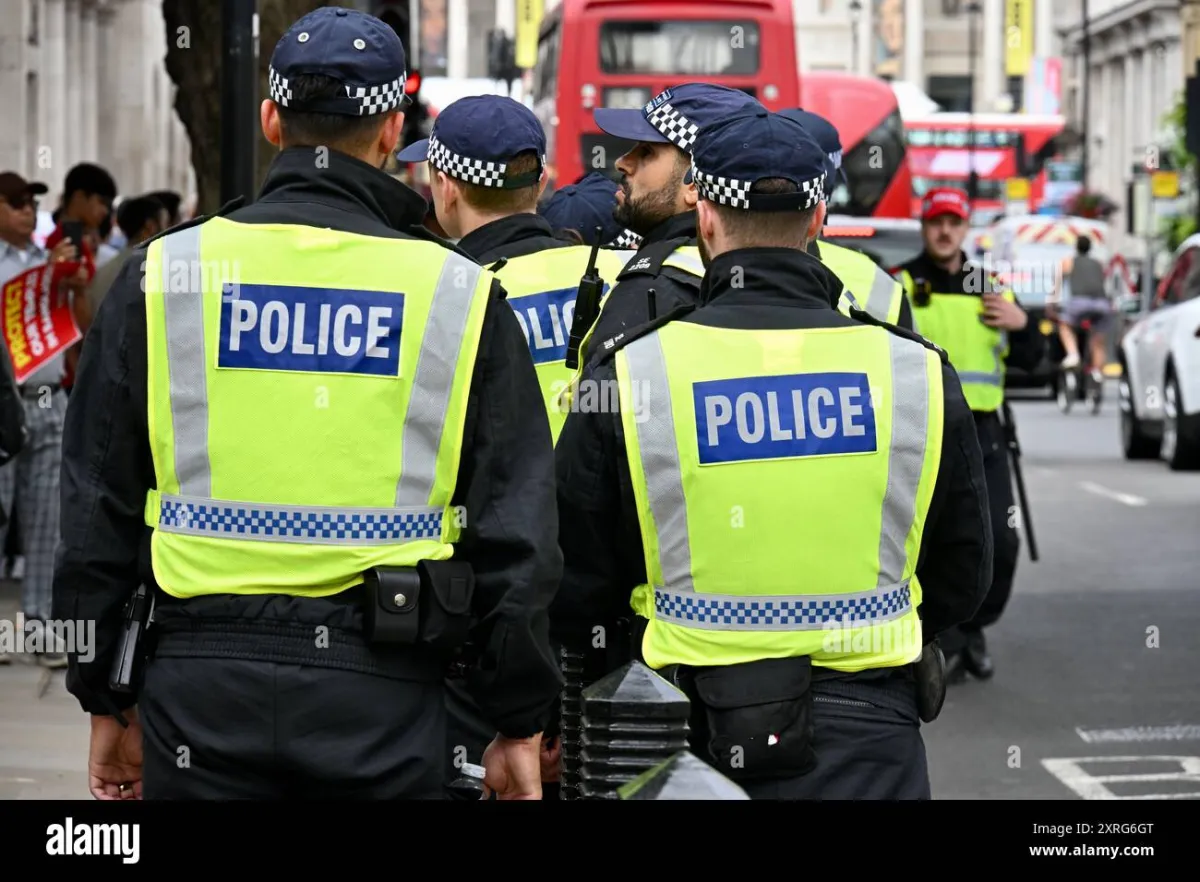 Photo: Metropolitan Police, via c8.alamy.com
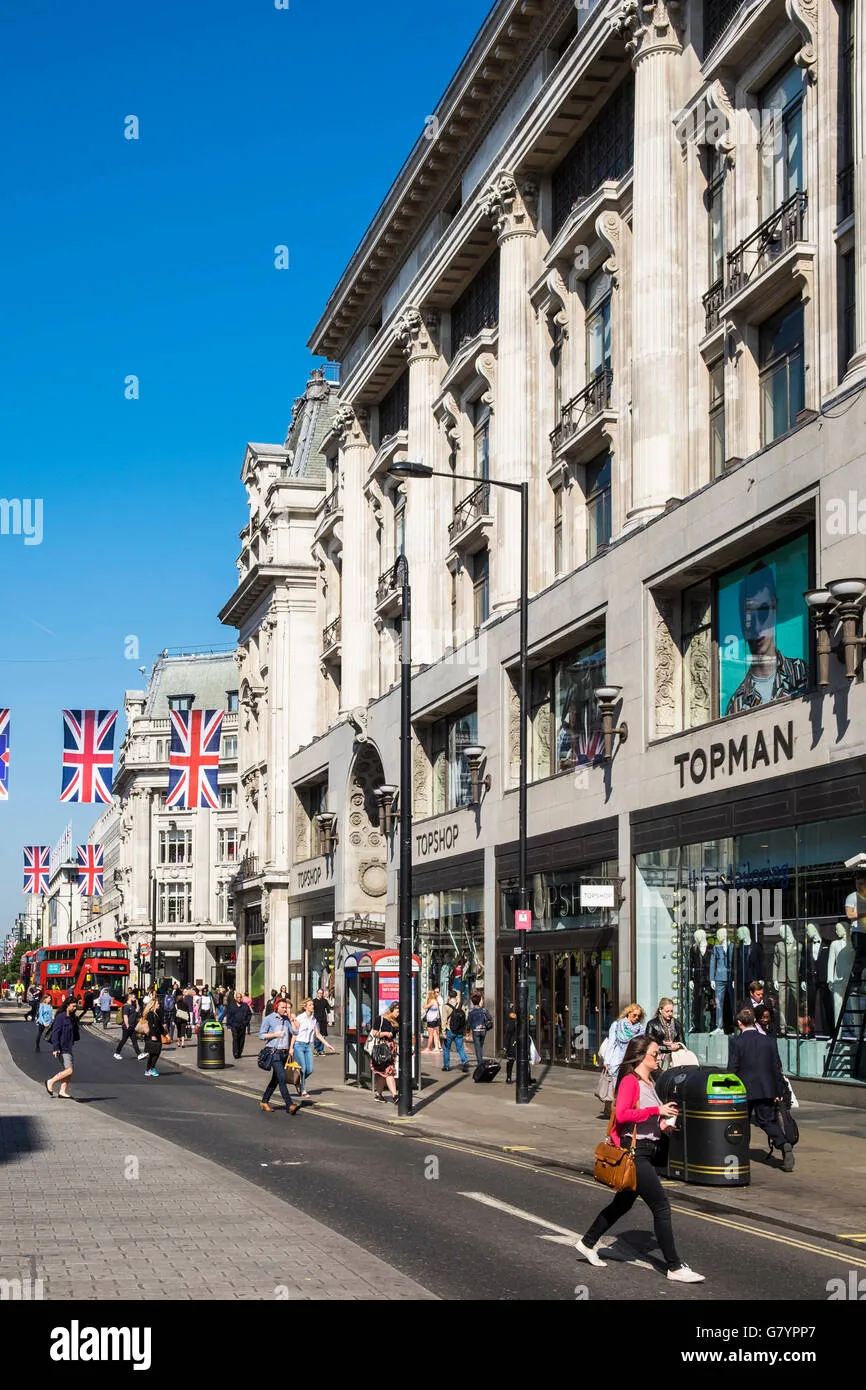 Photo: Oxford Street, via c8.alamy.com
This is not a hypothetical future threat. It is the present reality of policing in Britain — and it is expanding fast.
The Legal Vacuum at the Heart of the Deployment
The Metropolitan Police, South Wales Police, and a growing number of regional forces are operating live facial recognition (LFR) technology under a patchwork of guidance notes, data protection principles, and internal policy documents. There is no primary legislation governing its use. There is no statutory definition of what constitutes a lawful watchlist. There is no independent judicial authorisation process equivalent to a warrant. Forces rely primarily on the Data Protection Act 2018 and the Surveillance Camera Commissioner's voluntary code — neither of which was designed with real-time biometric mass surveillance in mind.
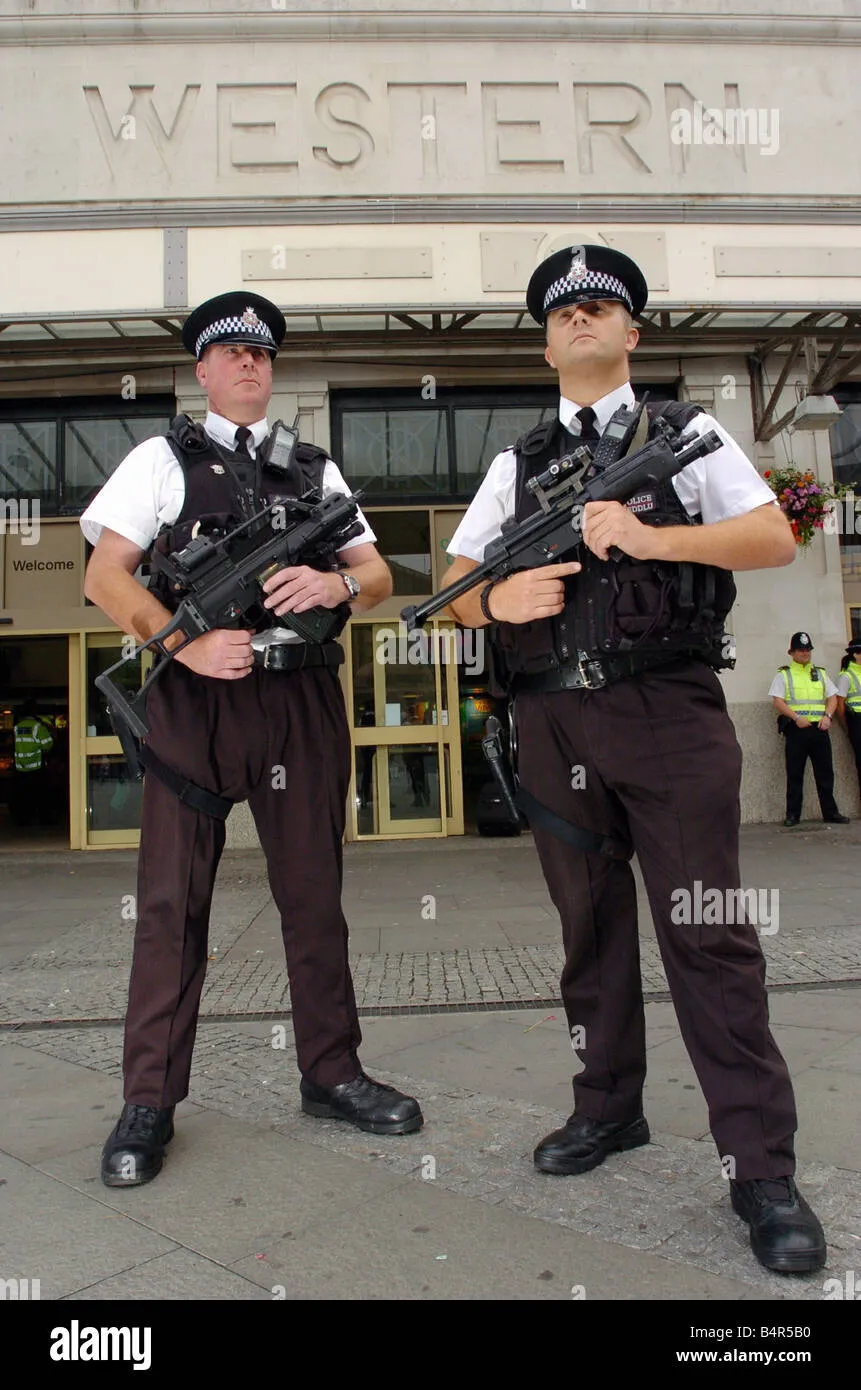 Photo: South Wales Police, via c8.alamy.com
The College of Policing published guidance on LFR in 2023, and the Home Office has issued broad frameworks, but guidance is not law. It can be changed by an administrator, not a parliamentarian. It can be ignored without criminal sanction. And crucially, it provides no enforceable right of redress for the citizen whose face is wrongly matched, wrongly retained, or wrongly acted upon.
The Court of Appeal ruled in R (Bridges) v Chief Constable of South Wales in 2020 that South Wales Police's earlier LFR deployments were unlawful — not because facial recognition is inherently impermissible, but because the legal framework governing its use was insufficiently clear and accessible. Five years on, Parliament has still not responded with legislation. Forces have simply refined their internal policies and resumed deployments.
Why This Should Alarm Conservatives Especially
There is a lazy assumption in some quarters that support for law enforcement and scepticism of civil liberties concerns are natural bedfellows on the right. They are not — or at least, they should not be. The conservative tradition is not merely pro-police; it is pro-rule of law. Edmund Burke, Hayek, and every serious conservative thinker in the Anglo-American tradition has understood that unchecked executive power is the enemy of ordered liberty, regardless of whether the executive in question is wearing a uniform or a suit.
The argument for LFR is not without merit. Britain has a serious and worsening problem with violent crime, knife crime in particular. If facial recognition technology helps identify wanted suspects and prevents attacks, that is a genuine public good. No honest commentator should pretend otherwise. But the question is not whether the technology can do good. The question is whether an unlegislated, judicially unsupervised deployment of mass biometric surveillance is a proportionate and accountable way to achieve it.
The answer, for any conservative who takes constitutional principle seriously, must be no.
What Better Governance Looks Like
This is not a case where Britain must choose between security and liberty, as though the two exist on a single axis. Other democracies have found workable frameworks. In the United States, several states have enacted statutory restrictions on government use of facial recognition, requiring judicial authorisation before deployment against specific individuals and prohibiting the use of LFR output as sole grounds for arrest. The European Union's AI Act, which came into force in 2024, classifies real-time biometric surveillance in public spaces as high-risk and imposes strict conditions on its use, including prior authorisation and public transparency requirements.
Britain, which prides itself on its common law tradition and parliamentary sovereignty, currently offers weaker protections than Brussels. That is not a comfortable sentence to write, but it is an accurate one.
A statutory framework would not need to be prohibitive. It could set out lawful purposes for deployment, establish independent oversight of watchlist compilation, require judicial or quasi-judicial authorisation for sustained surveillance operations, mandate transparency reporting, and create a clear right of redress. None of this would prevent police from using the technology. It would simply ensure they use it under the law, not merely adjacent to it.
The Infrastructure Problem
There is a deeper concern that transcends the current government's intentions. Surveillance infrastructure, once built, does not disappear when administrations change. The camera networks being installed today, the databases being compiled, the matching algorithms being trained — these are durable assets. A future government with less scrupulous instincts would inherit them intact.
Britain already has the highest density of CCTV cameras per capita in the democratic world. The addition of real-time facial recognition to that existing network represents a qualitative, not merely quantitative, change in the state's capacity to monitor its citizens. We are not adding better locks to existing doors. We are building a new kind of door entirely — one that opens automatically whenever the state decides it wants to walk through.
The current Labour government has shown no appetite for legislating in this area, preferring the operational flexibility that a non-statutory framework provides. The previous Conservative government was similarly passive. This is a cross-party failure of constitutional responsibility.
The Verdict
Supporting the police is not the same as exempting them from the rule of law — and any government that conflates the two is not protecting public safety; it is quietly building the architecture of a surveillance state on the public's credit card.