Brexit in Name Only: How Whitehall Kept the Brussels Rulebook and Sold It as Liberation

Photo of Keir Starmer, via Wikimedia Commons
In June 2016, 17.4 million people voted to leave the European Union. The central promise — restated by every senior Leave campaigner from Boris Johnson to Dominic Cummings — was that Britain would reclaim sovereign control over its own laws. Parliament, not Brussels, would set the rules. Westminster, not the European Court of Justice, would be the final arbiter. It was, the country was told, the most significant democratic act in a generation.
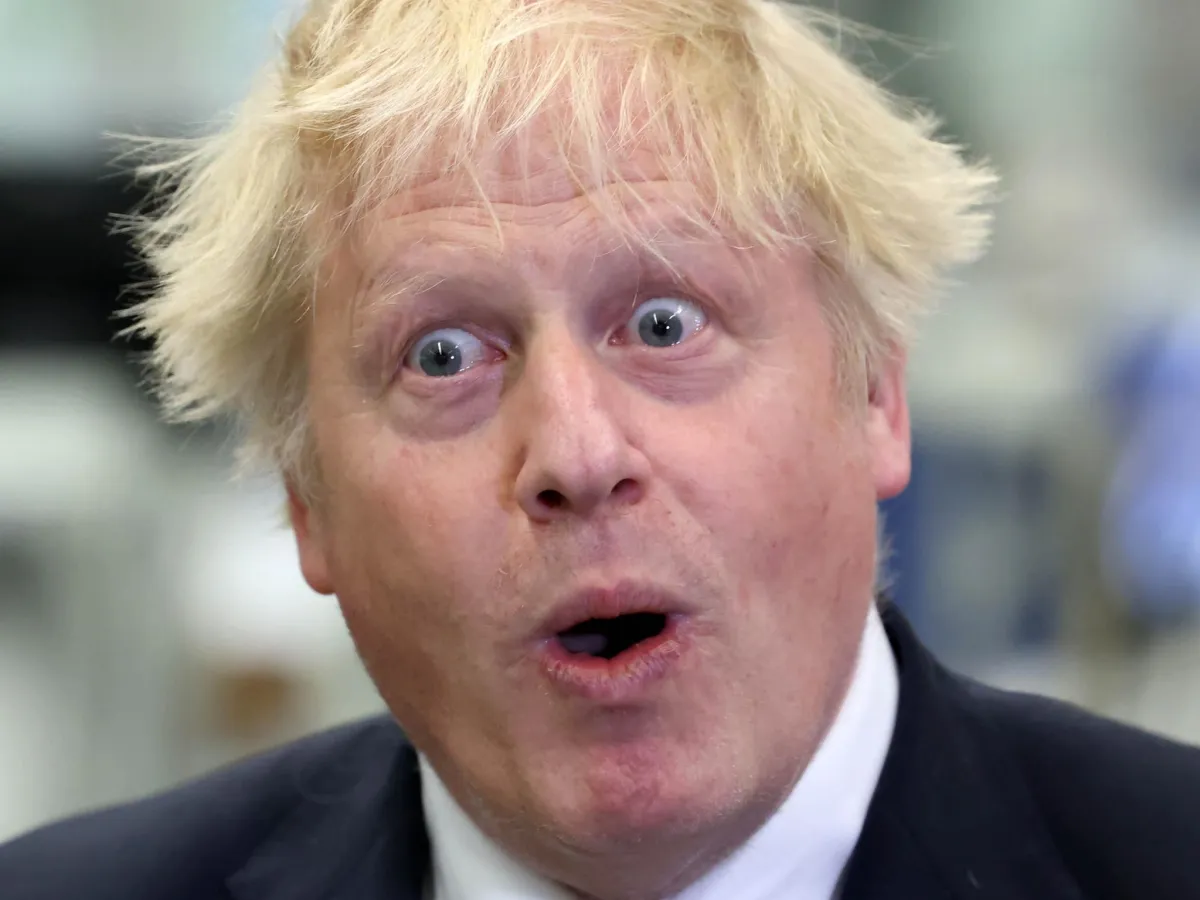 Photo: Boris Johnson, via content.api.news
Eight years later, it is worth asking a simple question: where did all those EU laws go?
The answer, uncomfortable as it is, is that most of them went nowhere. They were copied wholesale into domestic statute, given a fresh coat of British paint, and quietly left to govern everything from food labelling standards to employment rights to financial services regulation. The bonfire of the vanities became, in practice, a candle that someone immediately blew out.
The Retained EU Law Act: Promise vs. Reality
The Retained EU Law (Revocation and Reform) Act 2023 was supposed to be the legislative instrument that finally delivered the substance of Brexit. Under the original Liz Truss-era proposals, some 4,000 pieces of EU-derived legislation would have been automatically sunset by the end of 2023 unless Parliament actively chose to keep them. It was an ambitious, genuinely radical proposal — and that, predictably, was precisely why it was gutted.
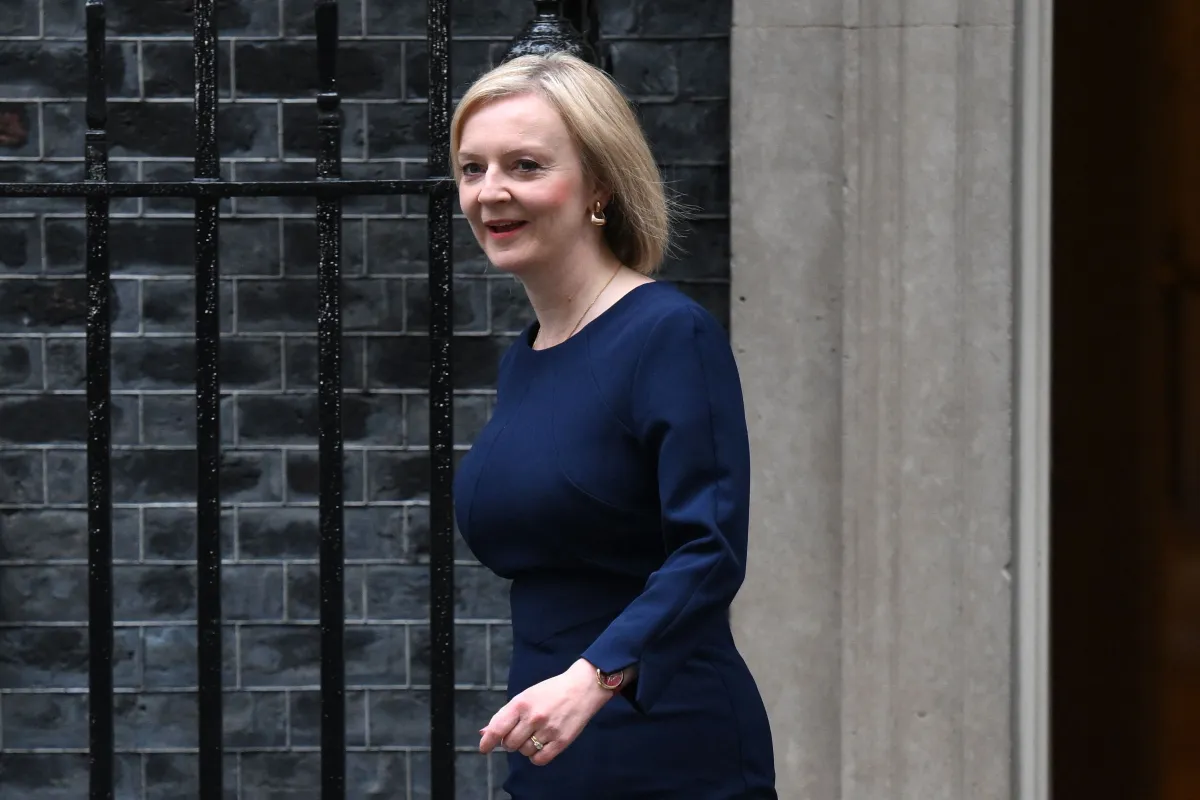 Photo: Liz Truss, via static.independent.co.uk
By the time the Act passed, the automatic sunset clause had been abandoned. The default was reversed: EU law would be retained unless ministers explicitly chose to revoke it. According to the Institute for Government, of the approximately 6,700 pieces of retained EU law identified by the time of passage, the vast majority survived intact. Ministers revoked or reformed fewer than 600 pieces — less than nine per cent of the total.
The pro-Remain legal establishment celebrated. The civil service breathed a sigh of relief. And the promise of regulatory divergence — the economic and political prize that genuine Brexiteers had argued would unlock Britain's post-EU potential — was quietly shelved.
How the Sabotage Happened
To understand how the original ambition collapsed, you have to understand the structural incentives inside Whitehall. Senior civil servants are, by temperament and career incentive, risk-averse. They are not ideologically committed to the EU in any crude sense — but they are deeply committed to process, to legal certainty, and to the avoidance of disruption. Revoking thousands of regulations at pace meant uncertainty. Uncertainty meant litigation risk. Litigation risk meant ministerial embarrassment. Therefore: keep the rules.
This is not a conspiracy theory. It is how bureaucracies behave. The late Sir Ivan Rogers, former UK Permanent Representative to the EU and no friend of Brexit, was candid about the institutional resistance within Whitehall to meaningful divergence. Departments simply did not have the resource, the appetite, or the political direction to conduct the granular review that a genuine bonfire required.
Pro-Remain lawyers compounded the problem. Every proposal for substantive divergence was met with warnings of trade disruption, legal challenge, or incompatibility with the Northern Ireland Protocol (later the Windsor Framework). The chilling effect on ministerial ambition was considerable. Better, the argument went, to keep the inherited rulebook than to risk the headlines.
What Genuine Divergence Would Look Like
The strongest counter-argument to the bonfire case is the one worth engaging with honestly: that regulatory alignment with the EU is, in many sectors, economically rational for a trading nation of Britain's size and geographic proximity. If British manufacturers want to sell into the European single market — and many do — they will need to meet EU standards regardless of what Westminster legislates. Divergence for its own sake is not sovereignty; it is disruption.
This is a serious point, and it should not be dismissed. But it does not justify the current position, which is not strategic alignment but passive retention. The distinction matters enormously.
Genuine divergence does not mean tearing up every regulation on day one. It means systematically identifying where EU rules impose costs without commensurate benefits in the British domestic context — and then having the political courage to act. The financial services sector is an obvious candidate: the EU's MiFID II framework, retained in full, imposes compliance burdens on London-based firms competing with New York and Singapore, neither of which operates under Brussels rules. Agricultural regulation is another: the EU's Common Agricultural Policy subsidy logic was embedded in British farming support mechanisms long after the UK left. Aspects of GDPR implementation — gold-plated by UK regulators beyond the original EU text — impose disproportionate burdens on small businesses with no material benefit to data subjects.
None of these are fringe demands. They are areas where substantive reform was explicitly promised and has not been delivered.
The Political Cost of Inaction
The failure to deliver regulatory divergence has consequences beyond the economic. It corrodes the credibility of the entire Brexit project. If the practical outcome of leaving the EU is that Britain retains the same rulebook, accepts the same product standards, and is governed by the same regulatory logic — but without a seat at the table where those rules are made — then the critics who argued that Brexit was the worst of all worlds have a point.
Reform UK's rise in the polls is, in part, a direct consequence of this failure. Voters who backed Leave in 2016 and Conservative governments thereafter did not do so in order to watch Whitehall officials quietly preserve the status quo. The political energy that Leave generated has not dissipated — it has migrated to parties willing to say plainly that the establishment never intended to honour the referendum's mandate.
Labour, to nobody's surprise, has shown zero interest in the divergence agenda. Sir Keir Starmer's government has actively sought to reset relations with Brussels, and the language of regulatory alignment has crept back into ministerial vocabulary. The direction of travel is unmistakable.
 Photo: Sir Keir Starmer, via images.inkl.com
Until a government — Conservative or otherwise — is willing to pick up the original Retained EU Law Act's sunset ambition and actually execute it, Brexit will remain what its harshest critics always said it was: a constitutional change without a policy programme to match.
Sovereignty that exists only on paper is not sovereignty at all — it is a rebranding exercise, and the British public deserves considerably better than that.